Source Manicure Nail Cuticle Fork for Salon, Home, and Spa
Find 30 manicure nail cuticle fork options from Chinese manufacturers. Compare stainless steel and plastic designs for salon, home, and spa use. Evaluate sizes, MOQs, and customization to source the right tool for your business needs; compare the available evidence and request quotations based on your requirements.
Key considerations
Products List
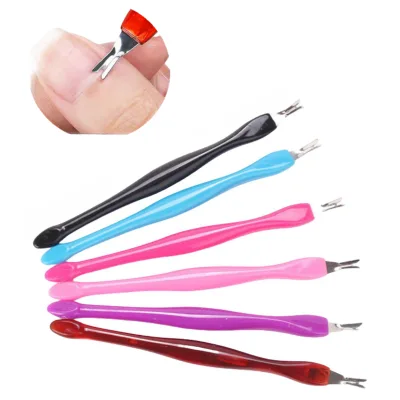
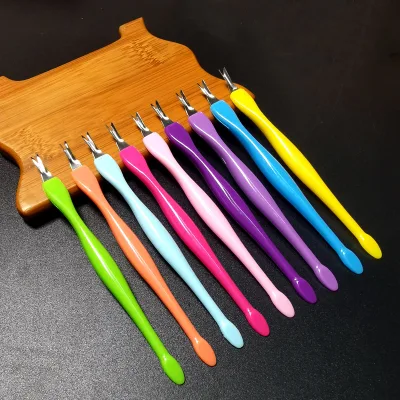


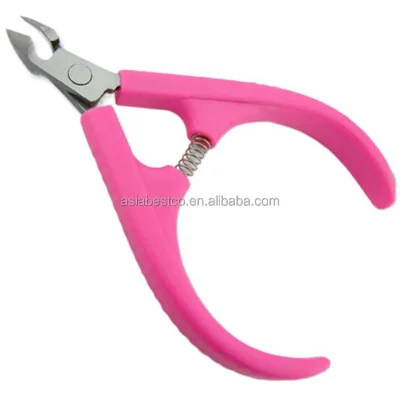
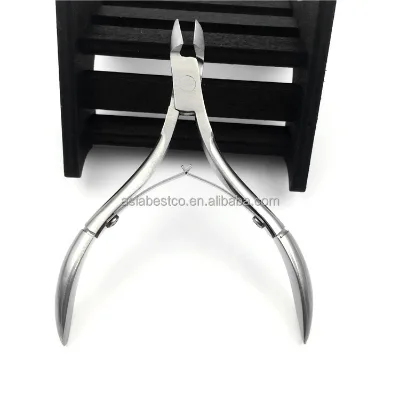





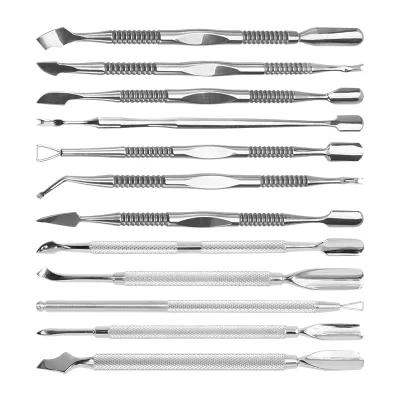

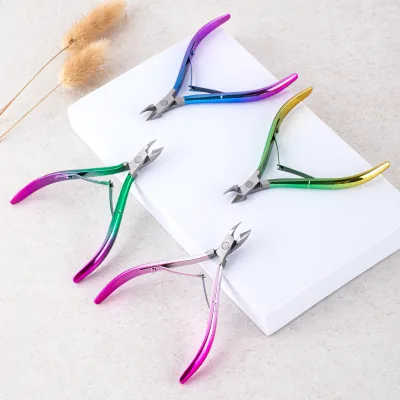
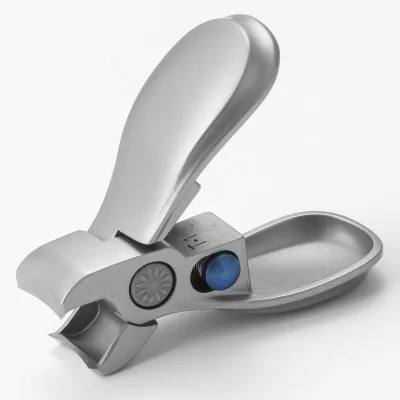
Comprehensive Sourcing Guide
Manicure Nail Cuticle Fork Sourcing Guide
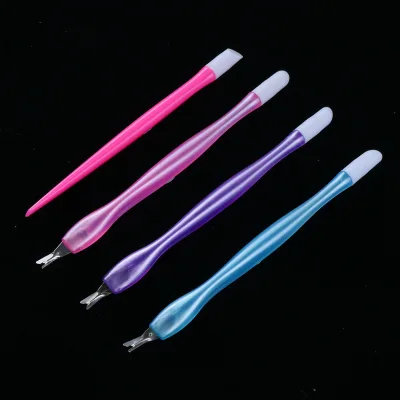
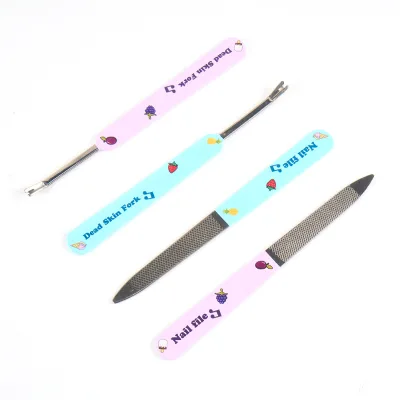
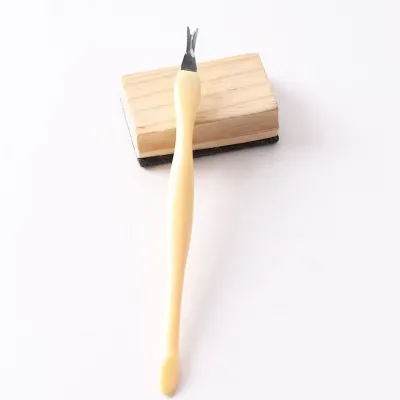
The manicure nail cuticle fork is a specialized tool designed for precise removal of dead skin around the nail bed, serving both professional salon environments and home care routines. Current market listings indicate a diverse range of configurations, including models constructed from stainless steel combined with plastic, as well as all-metal or plastic variants. Buyers must distinguish between these material compositions, as the choice directly impacts durability, hygiene, and the specific tactile experience required for different user demographics.
Procurement strategies should account for the variability in product dimensions and packaging observed in current listings. While some units are compact with single package sizes around 12x3x2 cm, others are significantly smaller at 11x1x1 cm, reflecting different ergonomic designs. Sourcing teams need to verify whether the supplier offers customized logos and color options, as these attributes are frequently requested to align with brand identity or specific salon aesthetics, ensuring the final product meets the intended market positioning.
Product Scope and Observed Listing Signals
Buyers should analyze the observed price range of 0.03 to 179 USD to understand the spectrum of product quality and intended market segment. This wide variance suggests a mix of basic, single-use items and premium, durable tools, requiring careful evaluation of the material composition and finish. It is critical to correlate the listed price with the specific material claims, such as stainless steel versus plastic, to avoid overpaying for low-grade items or underestimating the cost of high-quality, long-lasting instruments.
The minimum order quantity (MOQ) flexibility observed, ranging from 1 to 10,000 pieces, offers significant strategic advantages for different business models. Small retailers or testers can begin with low-volume orders to validate market demand, while established distributors can leverage higher volume tiers to secure better unit economics. Procurement teams must clarify the specific MOQ for their desired configuration, as some suppliers may enforce different thresholds for customized colors or specific model numbers like the 15015 or BY-NT-OT5073.
Technical Specifications to Verify
Dimensional accuracy is a primary verification point, as listings show standard lengths varying from 117mm to 131mm, with specific models citing sizes like 11cm. Buyers must confirm the exact working length and handle dimensions to ensure the tool fits comfortably in the hand and provides the necessary leverage for effective cuticle work. Discrepancies in these measurements can affect the precision of the tool, making it essential to request physical samples or detailed technical drawings before finalizing a bulk order.
Weight and packaging specifications also require strict validation to ensure logistics efficiency and product integrity. Observed data indicates single gross weights ranging from 0.005 kg to 0.010 kg for individual units, with some bulk packaging reaching 58 kg per carton. Sourcing teams should verify the single package size and gross weight to calculate accurate shipping costs and storage requirements, ensuring that the packaging method, such as OPP bags or cartons, adequately protects the sharp edges of the metal forks during transit.
Compliance and Safety Documentation
Safety compliance is paramount for tools that come into direct contact with human skin and nails, particularly in professional salon settings. Buyers must request documentation confirming that the materials used, such as stainless steel or specific plastics, meet relevant hygiene and safety standards for cosmetic instruments. This includes verifying that the metal components are free from harmful coatings and that the plastic parts are non-toxic, ensuring the product is safe for repeated use on clients or personal care.
Documentation regarding the manufacturing origin and quality control processes should be scrutinized to mitigate supply chain risks. Listings indicate origins in regions like Zhejiang and Guangdong, China, where buyers should verify that the supplier adheres to consistent quality control protocols. It is advisable to ask for evidence of batch testing or quality assurance records to ensure that every unit meets the specified standards for sharpness, structural integrity, and material safety before it reaches the end consumer.
Cost Drivers and Commercial Terms
Material composition is a significant driver of cost, with stainless steel models generally commanding higher prices than plastic or mixed-material alternatives. Buyers should evaluate the trade-off between initial cost and longevity, as stainless steel offers superior corrosion resistance and durability compared to plastic components. Understanding this cost structure helps in negotiating better terms and selecting the right product tier that balances budget constraints with the expected lifespan of the tool in a commercial setting.
Payment and shipping terms also play a crucial role in the total cost of ownership and cash flow management. Suppliers often accept various payment methods including TT, Trade Assurance, Western Union, and Money Gram, each carrying different levels of security and processing fees. Additionally, shipping options via carriers like DHL, UPS, and FedEx impact the final landed cost, so buyers should negotiate Incoterms that clearly define responsibility for freight charges and insurance to avoid unexpected expenses upon delivery.
Supplier Qualification and Quality Control
Supplier qualification should focus on their ability to provide consistent product quality and reliable customization services. Buyers must verify if the supplier can accommodate specific requests such as customized logos and color variations, which are frequently listed as available options. Assessing the supplier's capacity to handle these customizations without compromising the structural integrity of the tool is essential for maintaining brand consistency and product performance across different batches.
Quality control procedures must be robust to ensure that every unit meets the specified standards for weight, size, and material. Buyers should inquire about the supplier's internal testing protocols, particularly for sharpness and edge retention, which are critical for the functionality of a cuticle fork. Establishing a clear quality agreement that defines acceptable defect rates and outlines the process for handling non-conforming goods will help protect the buyer's interests and ensure a steady supply of high-quality products.
Long-Term Procurement Checks
Establishing a long-term relationship with a supplier requires regular performance reviews and continuous quality monitoring. Buyers should implement a system to track defect rates, delivery times, and responsiveness to issues over multiple order cycles. This data-driven approach allows for early identification of potential supply chain disruptions or quality degradation, enabling proactive adjustments to the procurement strategy before they impact business operations.
Market trends and product evolution should also be monitored to ensure the sourcing strategy remains competitive. As consumer preferences shift towards specific styles or materials, buyers must stay informed about new developments in the manicure tool industry. Maintaining open communication with suppliers about upcoming trends and potential product improvements ensures that the procurement portfolio remains relevant and aligned with the evolving needs of the target market.
FAQs
What materials are commonly used for a manicure nail cuticle fork?
Most manicure nail cuticle forks are made from stainless steel, sometimes combined with a plastic handle for grip and comfort. Stainless steel versions are durable, easy to sanitize, and suitable for repeated salon or home use. All-plastic models are lighter and lower cost but better suited to disposable or personal-use settings. Check the listed material details before ordering.
How is a dead skin fork used during a manicure?
A dead skin fork is used to gently push back and lift cuticles and remove dead skin around the fingernail or toenail before polishing. Work on softened skin, hold the fork at a shallow angle, and move it slowly along the cuticle line. Rinse and sanitize the tool after each use to keep it hygienic for salon or home application.
Can I order manicure nail cuticle forks with a customized logo?
Yes, customized logo printing is offered on listed cuticle fork products, which suits salons, beauty brands, and promotional buyers. Typically you provide your logo file and confirm placement, color, and quantity with the supplier before production. Custom branding may affect the unit price and the confirmed MOQ, so request a sample or mockup to verify print quality first.
What sizes and packaging options should buyers expect?
Listed cuticle forks come in sizes around 11 cm, 117 mm, 123 mm, and 131 mm, with single packages roughly 12x3x2 cm or 11x1x1 cm. Each piece weighs only a few grams and is commonly packed in an opp bag, with carton packing for larger orders. Confirm exact dimensions and packing style with the supplier before confirming your purchase order.
Which color options are available for cuticle fork products?
Available colors include blue, black, pink, rose red, red wine, white, and mix color assortments across the listed products. Color selection matters for retail display, salon branding, or matching existing toolkits. Because stock varies by model, confirm which colors apply to the specific item number you want, and ask whether mixed-color orders are allowed at your target quantity.
How do I verify sample quality before placing a bulk order?
Samples are available for listed cuticle fork products, so request one before committing to volume. Inspect the fork tips for smooth edges, test the handle balance, and check logo printing or finish quality if customization applies. Payment options such as Trade Assurance, TT, Western Union, and Money Gram are listed, so choose a method that protects your sample and bulk payments.
What MOQ and shipping terms apply to these manicure tools?
The listed dead skin fork shows an MOQ of 50 pieces, while the product range overall spans MOQs from 1 to 10000 pieces depending on the model. Standard shipping options include DHL, UPS, FedEx, EMS, and TNT, which suits small parcels and urgent restocks. Confirm the exact MOQ, carton configuration, and freight cost for your destination with the supplier directly.
Which buyers are cuticle fork products best suited for?
These tools suit beauty salons, nail technicians, and home users, since listed usages cover both salon and home care. Lightweight steel and plastic construction keeps shipping costs low, making them practical for e-commerce resellers and retail kit assemblers. Buyers focused on branding can use the customized logo option, while buyers seeking disposable or low-cost tools can consider the plastic variants.